A Journey Through the “Out of Season” Mara
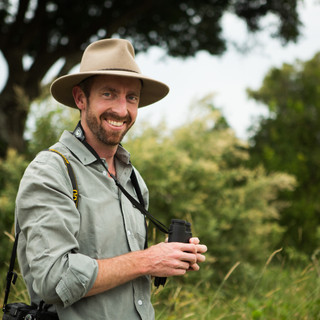

For my final privately-guided safari of the year, I travelled to the Maasai Mara, but not during the peak months of July, August or September. Instead, we went in November. Our group of seven split our time between two very different locations.
The first was Il Moran, positioned along a beautiful curve of the Mara River inside the National Reserve. From there we moved north into the private conservancies, staying at Kicheche Mara Camp in Mara North Conservancy. The intention was clear from the start. We wanted to experience the Mara when the crowds had thinned, when the pace had slowed, and when the ecosystem could be appreciated in a more honest, less pressured way.

Why November? Why “Out of Season”?
There is a persistent belief that the Mara is somehow “empty” outside the migration months. In reality, the only animals absent in November are the wildebeest. Everything else remains. Lions, elephants, leopards, hyenas, giraffes, buffalo, cheetahs and all the resident plains game continue their daily lives.
What disappears are the vehicles.
Tourist numbers drop sharply in November. It is usually a rainy period, although this year surprised us with dry weather. And with fewer visitors, the Mara becomes a surprisingly peaceful place. This quieter atmosphere was welcome, especially after the criticism the Reserve has faced in recent months. Overcrowding, overdevelopment, unethical guiding and the intense photographic pressure of peak season have all taken a toll on its reputation.

I believe our industry needs to rethink how we use the Mara. We must explore alternative destinations, shift guests into more varied areas, and support conservancies where revenue is reinvested into land and communities. But it is equally important not to abandon the National Reserve outside the migration window. It deserves support throughout the year. This was one of the reasons we chose November.

A Family with Purpose
Before the journey began, the mother, who had organised the trip, expressed her hopes for the experience. She said, “Adam, I don’t want my family to be tourists. I want them to understand this landscape, properly. I want them to know what happens beneath their feet, what life looks like in the surrounding villages, how the wildlife behaves and what challenges the ecosystem faces.”
Her intention shaped everything we did. The next six days became a deep dive into the workings of the Mara. We moved between photographic training, editing, geology, agronomy, community dynamics, conservation politics, land use, Maasai culture and the history of tourism in the region. Conversations stretched long into the evenings around the fire and continued during quiet pauses with wildlife. The discussions were honest and wide-ranging. We spoke about Kenya, Africa and the global safari industry, and how all of these pieces influence one another.
And, of course, the Mara provided its own stories.

Ten Showstoppers in Six Days
Most safaris hope for one or two exceptional sightings. This trip delivered ten.
Lionesses carrying tiny cubs
This behaviour is incredibly rare to witness. Before this trip I had seen it only five times in twenty years. On this safari we saw it twice, once in the National Reserve and once in Mara North Conservancy. Watching a lioness carry her newborn cub across the grass is an intimate and unforgettable moment.
Two successful cheetah hunts
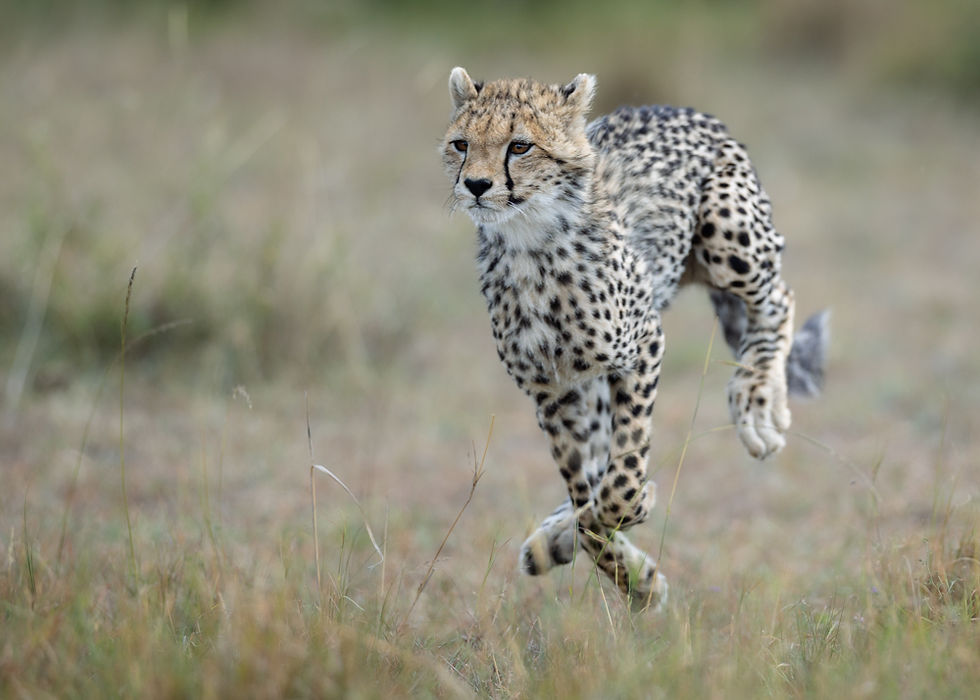
We were fortunate to see two kills. The first involved a young warthog in the Reserve. The second was a gazelle in the Conservancy, and on that occasion the cheetah had a cub trotting behind her. Photographically these scenes are almost impossible to capture, but the experience of watching the chase is enough. The acceleration, the sudden burst of commitment, the twisting decisions of the prey and the airborne strides of the cheetah create a drama that stays with you.
I have a soft spot for male lions, and this trip brought some special encounters. We spent time with three of the remaining Bila Shaka males, legends from my years working in the Mara. We also followed the new males pushing into the area. They were moving through golden grass in the first light of day, roaring, scent-marking and asserting themselves as the next dominant force. We also witnessed mating and the aggressive interactions that come with securing those opportunities.


One morning we sat quietly with a subadult male leopard waiting above a warthog burrow. He shifted positions, grew restless, and for a moment looked as though he might try to extract the warthog. Eventually uncertainty won and he slipped back into the thicket to continue his wait into the heat of the day. His patience surpassed ours.

Hyena numbers are substantial in the Mara, and their activity reflected this. We watched them feeding, patrolling and even storing food in a stream. They remain one of the most misunderstood animals in Africa, yet they play an essential and fascinating role in the ecosystem.

Throughout the safari we combined wildlife experiences with learning. We worked on photographic skills and editing techniques. We told stories and jokes. We discussed fire ecology, cattle integration, the mechanics of the migration, and the wider politics of land use. We enjoyed quiet breakfasts along the Talek River and in open clearings of the Mara. The environment itself was the classroom.

Two Camps, Two Landscapes
Il Moran and Kicheche Mara offered two very different perspectives of the ecosystem.
Il Moran, with its position along the Mara River, provided a classic Reserve atmosphere with broad plains and riverine scenery. Long drives and huge sprawling grasslands. Kicheche Mara, on the other hand, sits in a smaller drainage line within a more vegetated part of the Conservancy. This contrast allowed us to explore topics such as land management, ownership structures, conservation funding, cattle grazing and the role of the Maasai in the wider ecosystem. Both camps have significant strengths, and together they created a well-rounded experience.
A Reminder of Why the Mara Still Matters
This journey reaffirmed something important. The Maasai Mara, despite the challenges it faces, remains one of the most remarkable wildlife destinations in Africa. When visited thoughtfully, and particularly when explored away from peak season, it reveals a depth and beauty that many guests never see.
This family wanted understanding rather than a checklist, and the Mara responded with six days that they will remember for a very long time - as will I.

"Thanks to Adam, our family safari was about so much more than beautiful sightings. It was a transformative journey into animal behavior, wildlife conservation, powerful photography and the extraordinary stories that unfold each day in the Maasai Mara." - Ariane Trigo


Comments