The Weight Guides Carry
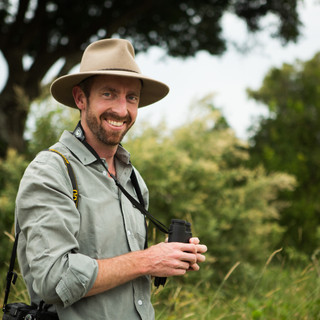
Over the last two months, I have had the privilege of spending time with 74 guides across seven camps in Kenya. While each property was unique, and each guide brought their own personality and perspective to the profession, I found myself returning to the same conversation time and time again.
It was not a discussion about identifying birds, finding leopards or improving photographic positioning. Instead, it centred around something far more complex: pressure.

Guides today operate in an environment where expectations have never been higher. Guests arrive with photographs they have seen online, stories they have heard from friends and often a mental checklist of species and experiences they hope to achieve during their safari. Most of these expectations are entirely understandable. After all, people travel from across the world and invest considerable time and money in the experience.
What is less often recognised is the position this can place a guide in.
At some point in almost every guide's career, there comes a moment when they know exactly what the right decision is, but making that decision may disappoint the people sitting in the vehicle behind them.
Perhaps it is choosing not to leave the road for a better photograph. Perhaps it is deciding that a sighting has gone on long enough and it is time to move away. Perhaps it is refusing to crowd an animal that is already showing signs of discomfort. The details vary, but the underlying challenge remains the same. The guide is forced to choose between what is popular and what is responsible.
What struck me during these conversations was how often guides feel that they are carrying this burden alone.
A poor review, or a complaint, can affect confidence - and their tip! Guest feedback can influence perceptions, and can cause challenges with management. In some situations, guides worry that saying no may be interpreted as a lack of effort rather than a commitment to ethical practice. The irony, of course, is that the very guides who care most deeply about the landscape are often the ones making decisions that are least visible to their guests.
Nobody notices the sighting that was left before it became stressful for the animal. Nobody notices the track that was never driven over. Nobody notices the rule that was respected.
Yet these invisible decisions are often the ones that matter most.
The safari industry rightly celebrates great sightings, extraordinary wildlife encounters and unforgettable moments in the field. However, I sometimes wonder whether we spend enough time celebrating restraint. The ability to hold a boundary. The confidence to prioritise the welfare of an animal over a photograph. The professionalism required to think beyond the next five minutes and consider the long-term health of a landscape.
As an industry, we ask guides to become ambassadors for conservation. If we genuinely believe in that role, then we must also create an environment where they feel supported when conservation and guest expectation come into conflict.
That support needs to come from every direction. It needs to come from agents, owners, managers, trainers and fellow guides. Perhaps most importantly, it needs to come from guests themselves.
The best guides are not simply the people who find wildlife. They are the people who make hundreds of small decisions every season that protect wildlife.
Most guests will never see those decisions being made, yet the animal certainly will. And in the long run, so will the future of the places we all care about.



Comments