Training the Art of Guiding at Xigera Safari Lodge
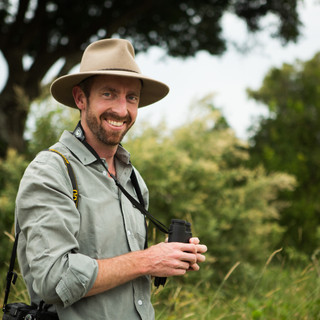

In early December last year, I had the privilege of running a guide training programme at the extraordinary Xigera Safari Lodge, deep in Botswana’s Okavango Delta. It was my first training in the country, and one that set a new benchmark for what modern, forward-thinking guide development can look like.

Botswana has long been regarded as one of the world’s great safari destinations. Low-impact tourism, vast protected wilderness, and a deep respect for wildlife sit at the core of its identity. Experiencing this philosophy on the ground, and working with a team operating at the very highest end of the industry, only reinforced why this country continues to lead the way.
Xigera itself is exceptional. Architecturally bold yet deeply sensitive to place. Everywhere you look, there is remarkable artwork. Pieces that celebrate craft, culture, and creativity from across Africa, and that quietly encourage conversation and curiosity. Luxury here is not loud. It is thoughtful, layered, and intentional.
As with all truly great safari camps, the heart of Xigera is its people.

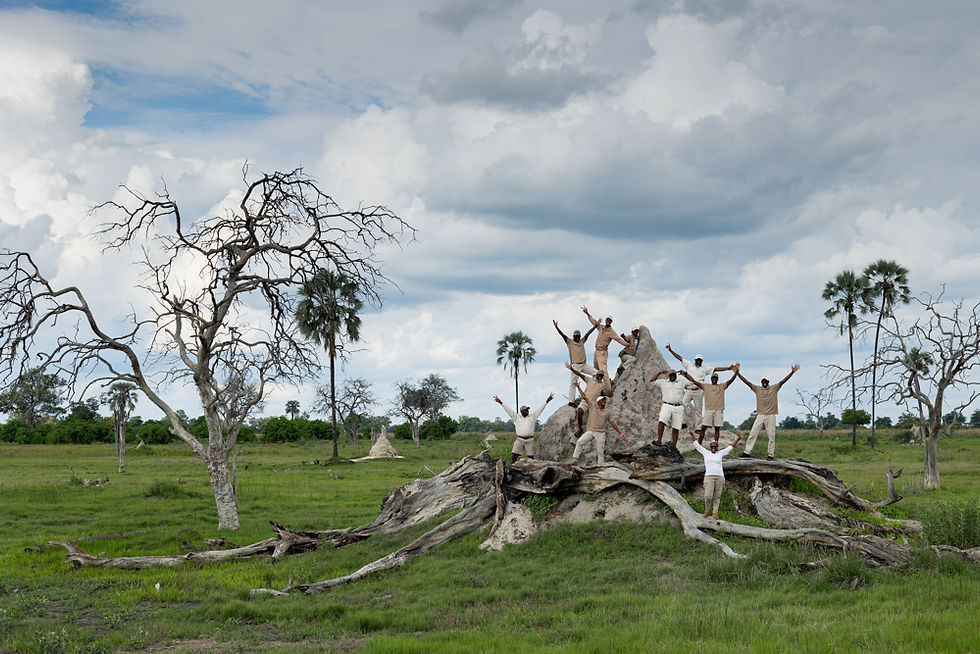
The Field Team that came together for this training covered a wide spectrum of experience, from highly seasoned guides with years in the Delta to those newer to the profession and still finding their voice. One of the real strengths of the programme was bringing that diversity into the same space, creating shared language, shared standards, and a sense of collective purpose.
Xigera’s ethos, Sustainable, Soulful, and Bespoke, formed the backbone of the training. Rather than treating these as marketing terms, we explored what they actually mean in practice. On a game drive, on a walk, in the way stories are told, and in how guests are made to feel. The language, energy, and intention behind those three words carried through every part of the week.
At the core of my work is a methodology I have developed over many years: The Theatre of Guiding. The idea is simple. Great guiding is not about delivering facts. It is about interpretation, structure, and confidence. It is about helping guests understand why things are happening, not just what they are seeing.


In a landscape as dynamic as the Okavango Delta, this approach is essential. Water arrives months after rainfall has fallen in the Angolan Highlands. Channels shift. Islands form and disappear. Wildlife responds not only to what is present now, but to what is coming in the near future. Guiding well here requires an understanding of connection, consequence, and timing, and the confidence to communicate that clearly.
A major focus of the training was alignment. Camps invest enormous resources into design, cuisine, sustainability, and marketing, yet guides are often left to simply figure things out on their own. My work is about plugging that hole. Helping guides understand the bigger picture, where they fit into it, and why their role matters so deeply.

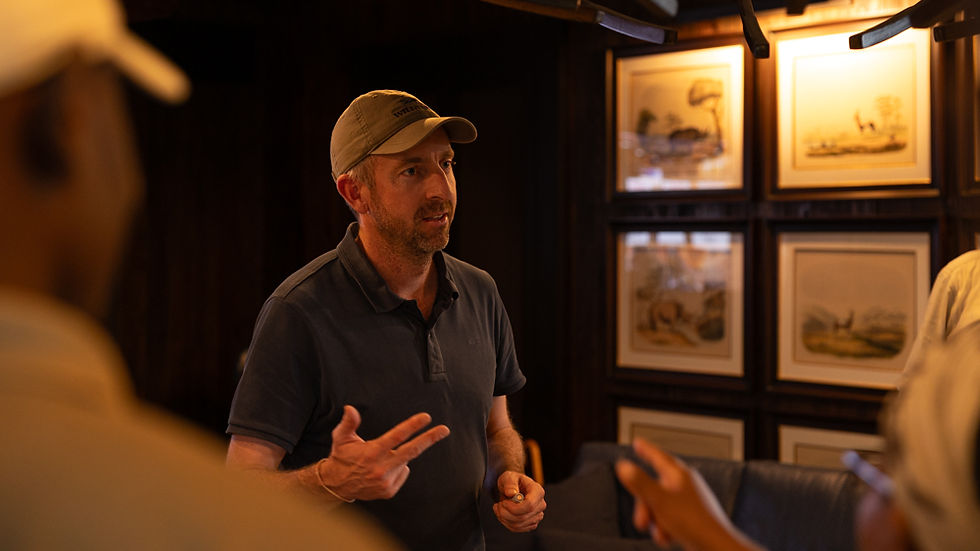

We also spent time looking firmly forward. Modern guiding does not exist in a vacuum. We explored social media and reputation management, both from a personal and company perspective. How guides represent themselves, their camps, and their wildlife online matters more than ever. We also discussed artificial intelligence, and how it is already influencing conservation, imagery, storytelling, and the way people perceive animals and encounters. These are conversations guide teams can no longer afford to ignore.
Crucially, the training is designed to build confidence while strengthening togetherness. It is also designed to get guides talking amongst themselves about difficult topics, often brushed under the carpet. When guides feel aligned, supported, and professional, everything improves. Communication becomes clearer. Ethics are upheld. Guests feel it. And wildlife is treated with the respect it deserves.


By the end of the programme, the team was tired, challenged, and fully invested. For me, that is always a good sign. When guides understand the landscape they work in, the camp they represent, and the values they are carrying, guiding becomes calmer and more assured. There is less pressure to impress and more space for honesty, ethics, and real connection.
This kind of work only happens when camps choose to invest in their people as deeply as they invest in their places.
This is also the ethos under which I guide privately. I work with travellers from all over the world, helping them experience wild places through camps and communities that place wildlife, ethics, and conservation ahead of short-term gain. The storytelling, the pace, and the respect shown to animals and people are never accidental. They are central to the journey.
If any of this resonates, feel free to reach out. Conversations like these are where meaningful work usually begins.
"Adam, you are a wizard! I always had this jumble of knowledge in my head, but you just showed me how to actually use it. Now, I feel ready to jump into the 'hot seat' and explain things with way more confidence. I may still be a little slow at times, but watch out next time you visit, you might just be speechless!" - Xigera Guide



Comments